Crop Applications
Where The Black Stuff is most likely to fit first.
The Black Stuff is not equally relevant to every crop and every grower. It is best suited to systems where premium input economics, fertiliser efficiency, and long-term soil performance matter.
Horticulture
High-value production systems where input efficiency matters.
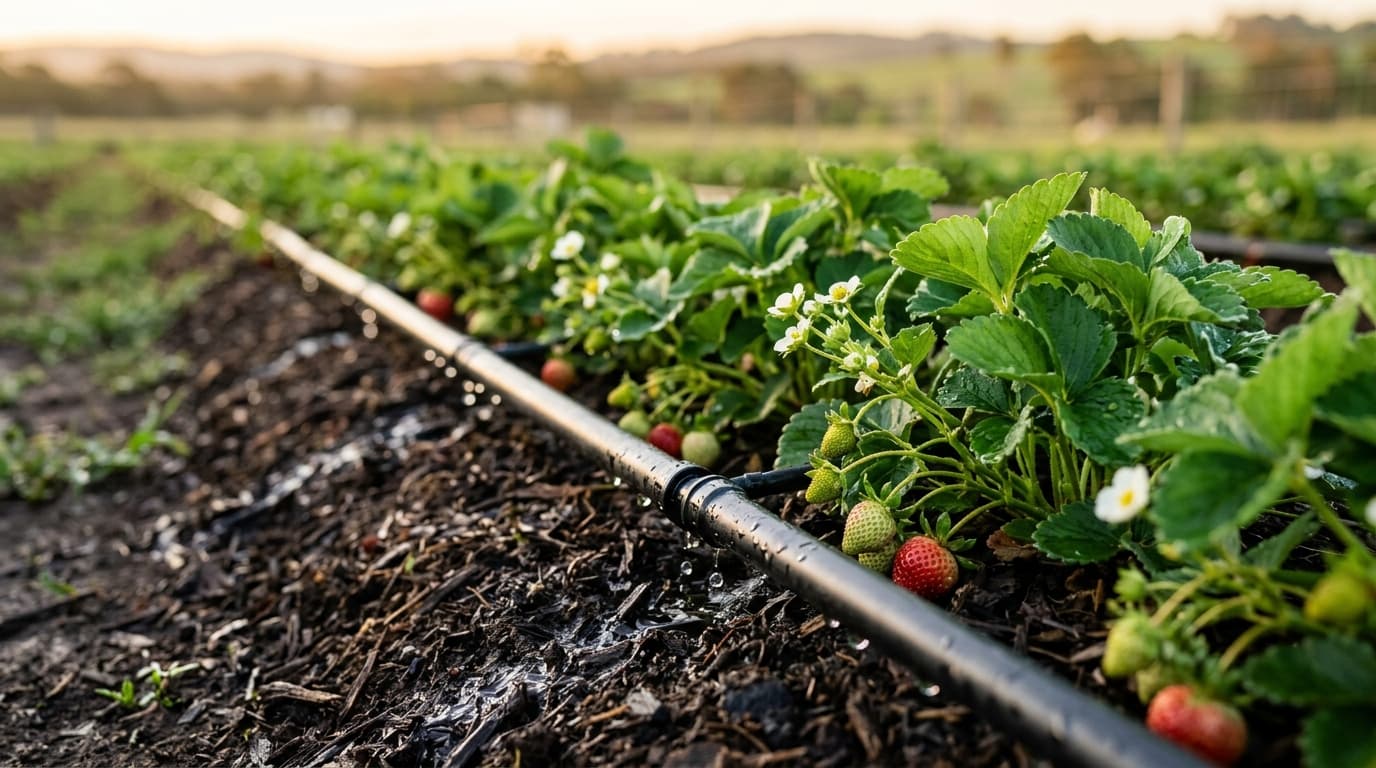
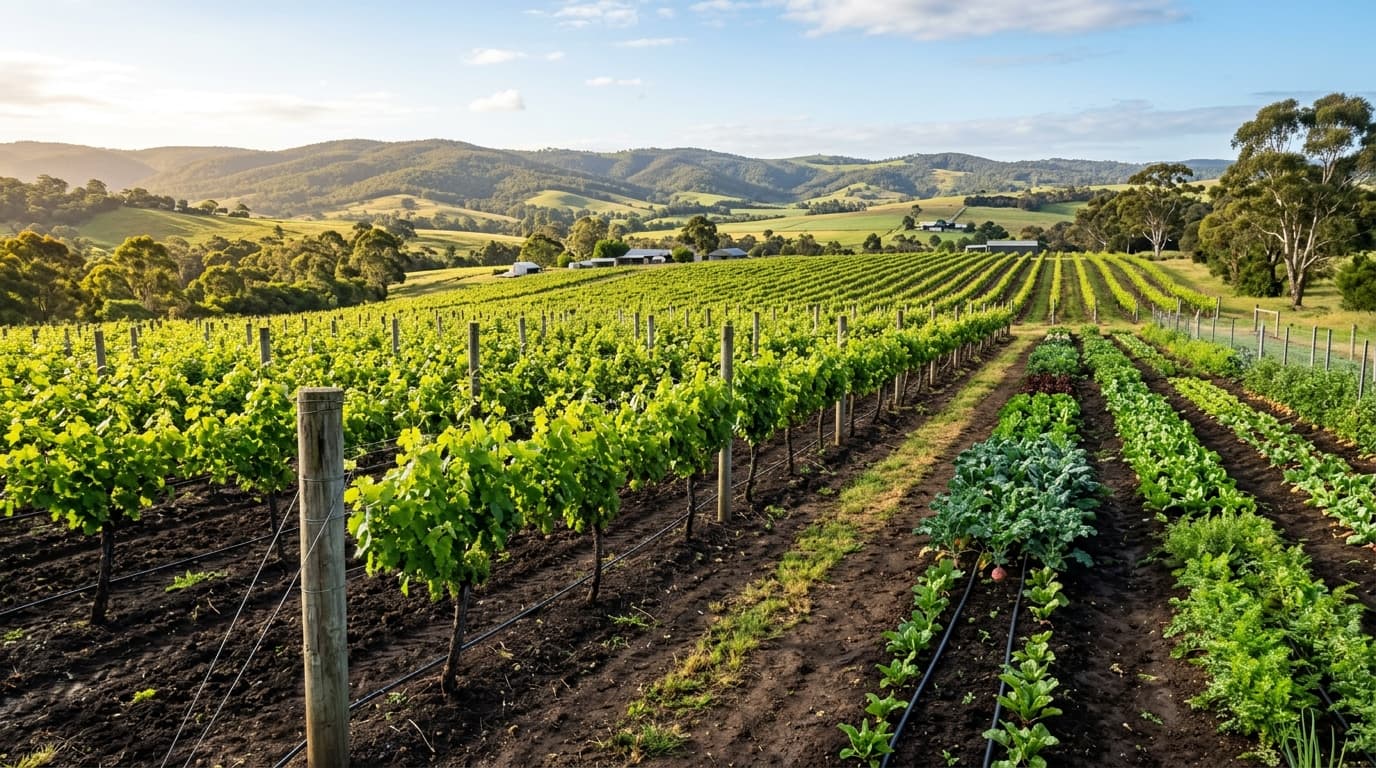
Grapes, passionfruit, blueberries, vegetables — tighter production control and higher per-hectare returns create a stronger incentive for premium inputs. Sensitivity to nutrient availability, moisture at the root zone, and consistent soil function means these growers have clear reason to care about what an input actually does. Humic acid supports CEC for better nutrient holding, and fulvic acid's chelation properties support mineral transport in the root zone.
Cost Pressures
- High per-hectare returns mean every input is scrutinised on cost-to-performance
- Moisture retention is critical under drip irrigation — consistency matters
- Consistent nutrient availability at the root zone drives both quality and yield
- Intensive cropping depletes soil structure and organic matter over successive seasons
- Sandy and degraded soils common in horticultural settings limit natural nutrient holding
Where The Black Stuff Fits
- Fulvic acid chelates minerals and supports transport through cell walls for improved uptake
- Designed to help improve moisture retention — humates can hold up to 20 times their weight in water
- Supports soil structure and organic matter recovery in intensively managed soils
- Humic acid increases CEC, which supports the soil's capacity to hold applied nutrients
Orchardists
Long-horizon growers with reason to invest in soil performance.
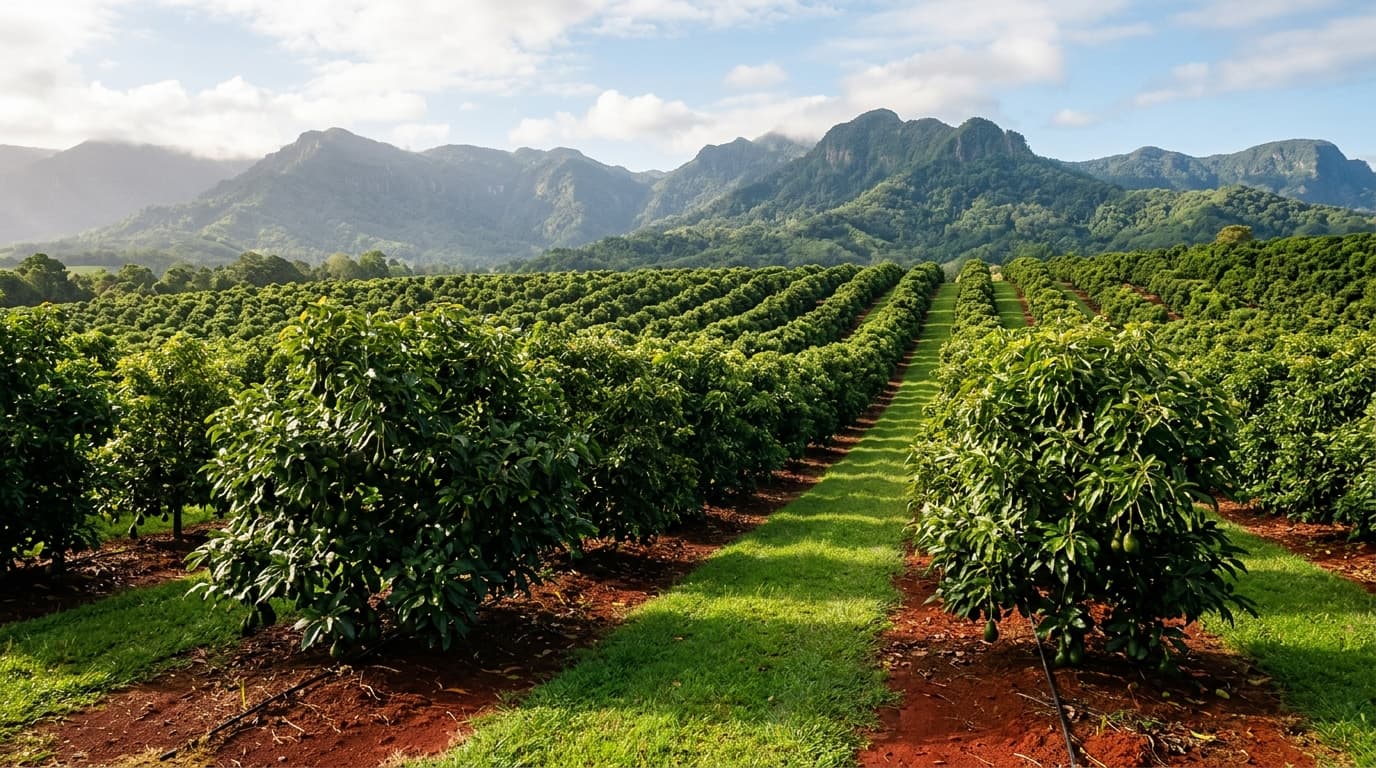
Orchard systems reward long-duration benefit. Establishment costs are high, returns accrue over years, and perennial root systems require consistent soil conditions to perform. Where other inputs need reapplying every season, The Black Stuff is designed to persist in the soil profile and continue contributing to root-zone function over time. That duration makes the economics of a premium input more defensible in orchard settings than in annual cropping.
Cost Pressures
- High establishment cost and multi-year return horizon raise the stakes on soil investment decisions
- Perennial root systems need consistent nutrient and moisture conditions across seasons
- Organic matter depletion in managed orchard floors reduces natural soil function over time
- Sustained root-zone biological activity supports tree health and consistent fruit quality
Where The Black Stuff Fits
- Persistent benefit beyond one season — designed to remain active in soil for up to 5 years
- Root-zone biological support through humic and fulvic acid activity
- Moisture holding capacity supports tree access to water between irrigation events
- CEC improvement supports nutrient retention and availability for perennial root systems
- Fits existing fertiliser programs — no major changes to current practice required
Tropical Fruit
A strong regional fit where soil and moisture dynamics matter.
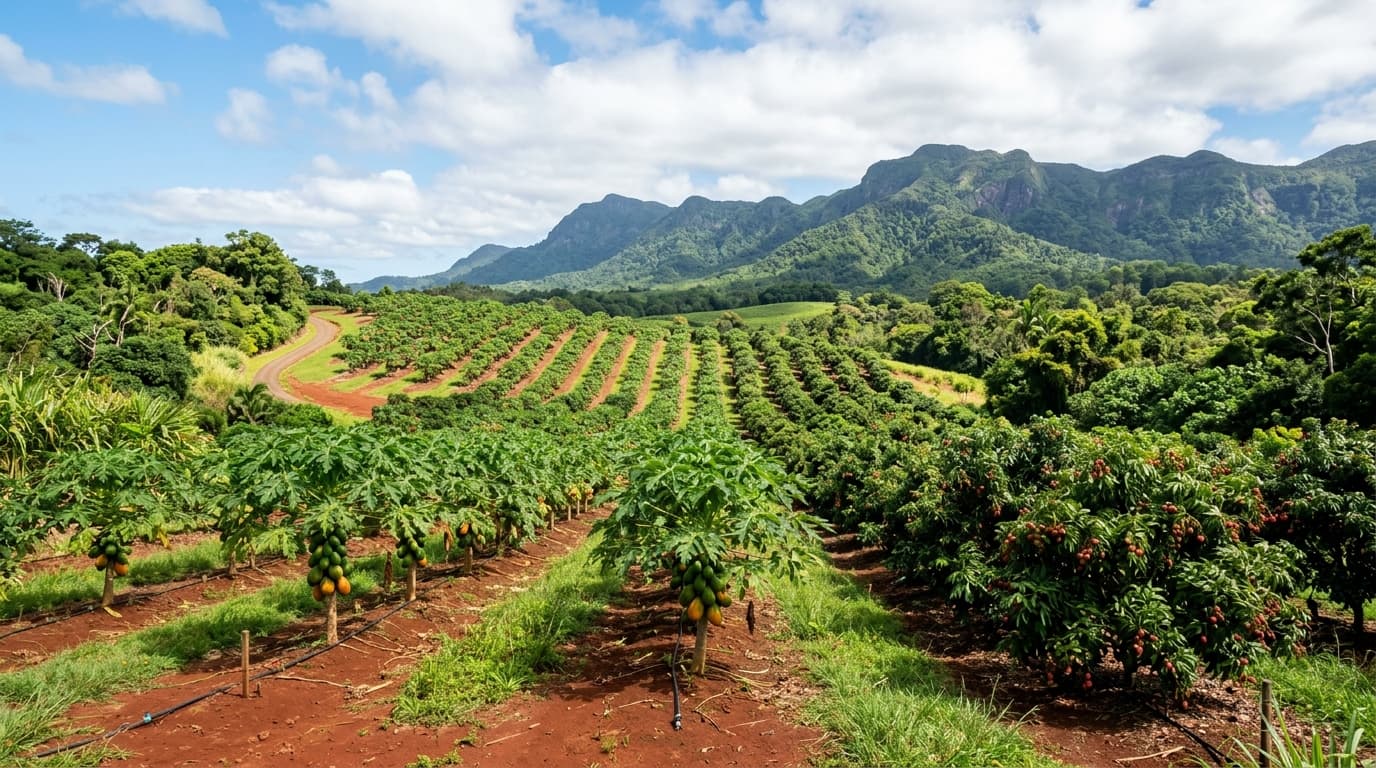
North Queensland tropical fruit growers face a distinct combination of challenges — high rainfall leaching, tropical soil dynamics, and moisture extremes that test both nutrient programs and soil resilience. The Black Stuff has a natural regional alignment here, sourced from the same Far North Queensland environment where many of these growers operate. The soil and climate conditions are understood, and the product origin is local.
Cost Pressures
- High rainfall events drive significant nutrient loss from applied fertiliser
- Tropical soil dynamics differ from temperate horticultural systems — leaching is more severe
- Nutrient loss between applications creates inconsistency in plant availability
- Moisture extremes — both excess and deficit — put stress on soil structure and root function
Where The Black Stuff Fits
- Designed to help improve nutrient retention in tropical soils subject to high-rainfall leaching
- Moisture holding capacity supports soil function during dry periods between rainfall events
- Biological support through humic and fulvic acid activity in tropical soil environments
- Persistent organic matter addition designed to build soil resilience over successive applications
Bananas
A selective-use category, supported by trial history.
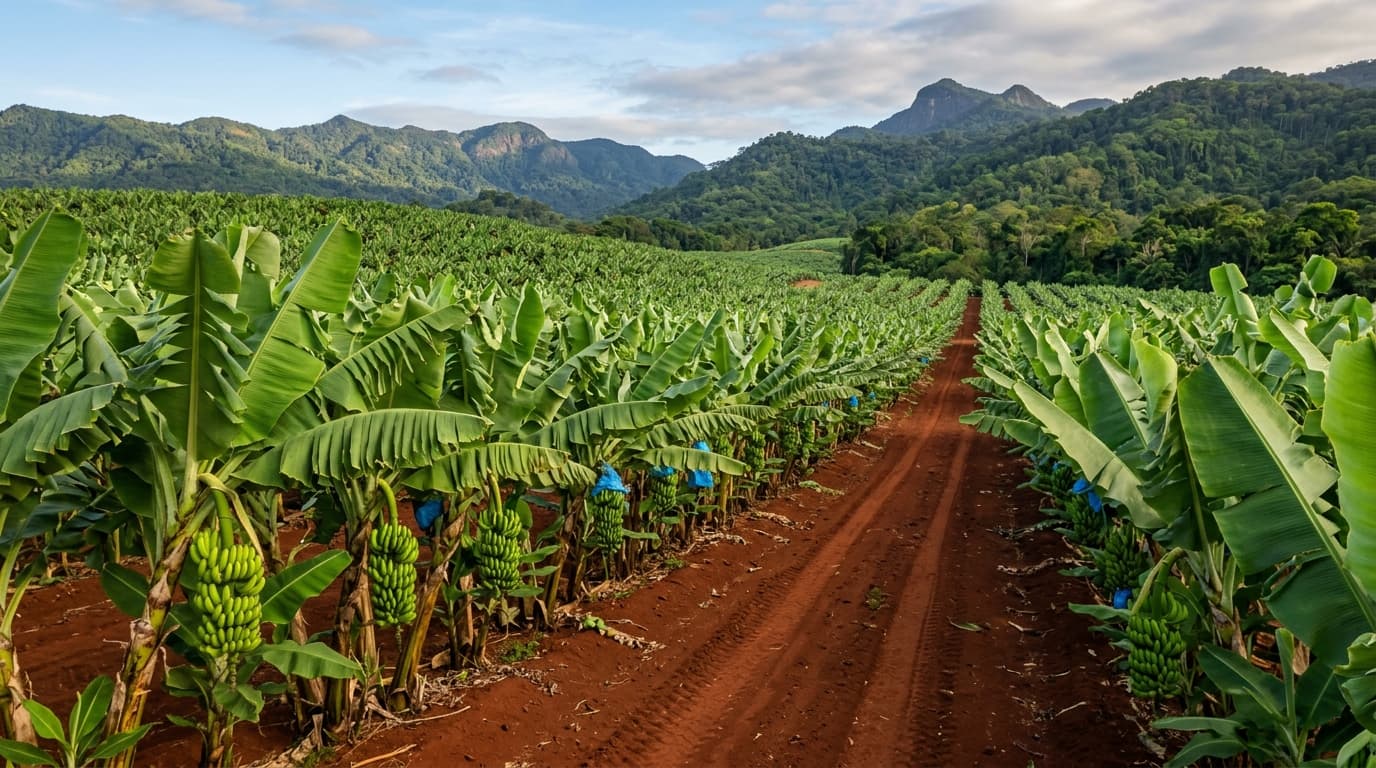
Bananas remain a relevant use case and an important proof category. Intensive nutrient inputs, tropical leaching conditions, and year-round production cycles create genuine agronomic fit for a product designed to improve nutrient retention and support soil biology. However, commercial adoption depends on farm economics and operator mindset. This is an area for targeted conversations with the right operators, not blanket claims across the category.
Cost Pressures
- Year-round production cycles demand continuous, intensive nutrient inputs
- Tropical rainfall and light soils create leaching of applied fertiliser between cycles
- Soil biological health is directly linked to plant resilience and productivity
- Free-draining profiles struggle to hold nutrients between fertigation events
Where The Black Stuff Fits
- Humic and fulvic acids support soil microbial activity — observed in field trials as improved biological indicators
- Designed to help improve nutrient retention in sandy tropical soils subject to leaching
- Supports root-zone moisture holding in free-draining profiles between irrigation events
- Organic matter addition designed to help build soil structure over successive applications
Get specific advice
Want to assess fit by crop and farming system?
Share your crop, region, and current program. We will give you an honest assessment of whether The Black Stuff is relevant to your operation.